20 November 2026
Key Points to Consider Before Heading to Hatta Mountain Dubai
Presented by @hattamountaindubaiworld
Planning a trip to the Hatta Mountain region in Dubai is an exciting prospect. The area offers a dramatic change of scenery from the city, with rugged peaks, wadis, and a rich cultural heritage. But a visit here is not quite like a day at the mall or the beach. The terrain and climate demand a bit of forethought. Getting the most out of your trip means knowing what to expect and what to bring along. This article covers the essential points to check before you set out, so you can focus on the experience rather than the hiccups.
Weather and Timing
The Hatta Mountain Dubai area sits inland, which means its weather can be noticeably different from the coast. Summers are extremely hot, with temperatures that can make outdoor activity uncomfortable or even unsafe during the middle of the day. The cooler months from October to April are far more pleasant for hiking, kayaking, or simply exploring the village. Even then, mornings can be quite chilly, while afternoons warm up significantly. Checking a reliable forecast a few days before your trip is wise. Look not just at the temperature but also at wind and potential for rain. Flash floods are a rare but real risk in wadis during heavy downpours, so if storms are forecast, reconsider your plans.
Getting There and Getting Around
Reaching the Hatta enclave involves a drive of roughly 90 minutes from central Dubai. The route takes you through the Hatta Mountain Dubai pass, a scenic road that winds through the Hajar Mountains. The road is well-maintained, but it does have sharp bends and steep gradients. Make sure your vehicle is in good shape, especially the brakes and tyres. If you are not driving your own car, consider booking a tour that includes transport. Many visitors find that joining a guided tour takes the stress out of navigating and parking. When you look at options, pay attention to what is included: entry fees, meals, and activity costs can add up. A reputable operator like Hatta Mountain Tour Dubai will clearly list what their package covers, helping you budget accurately.
What to Wear and Pack
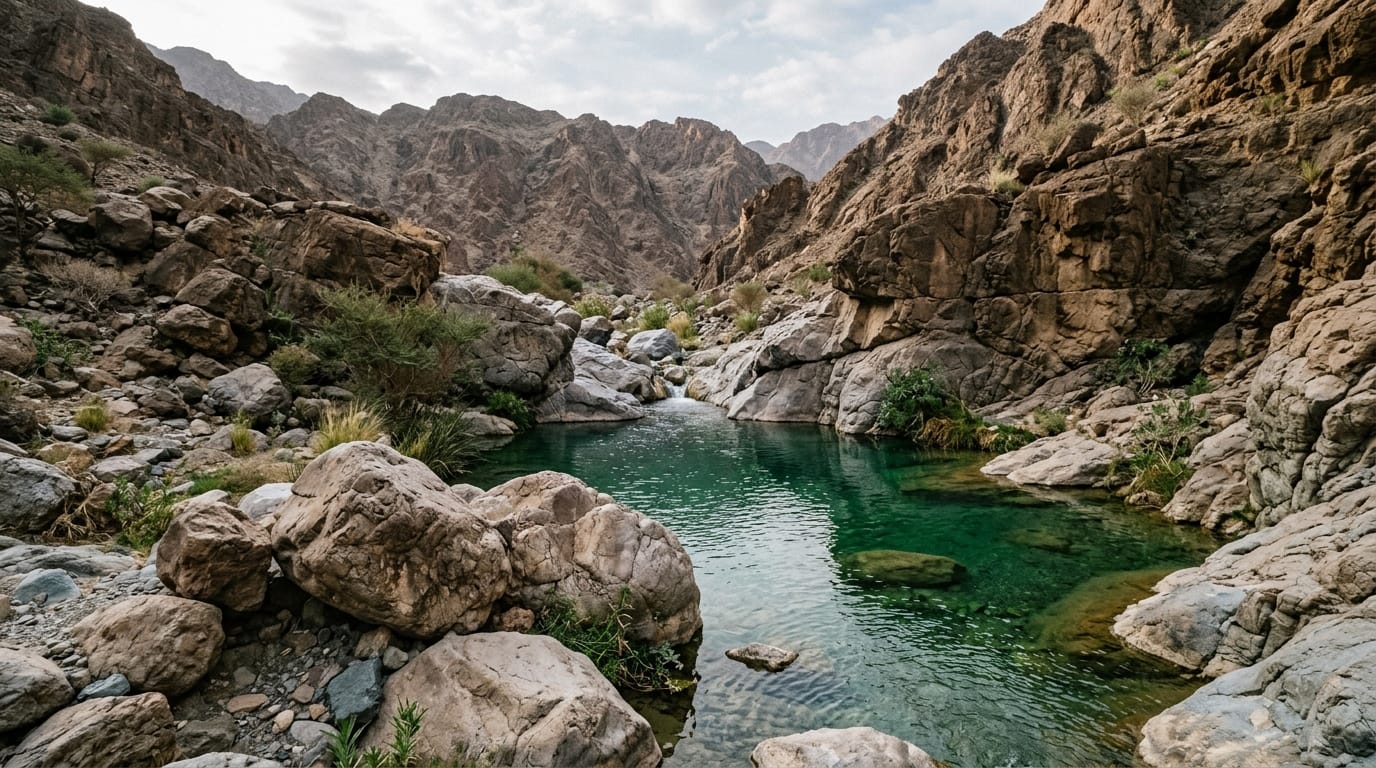
The advice on clothing for Hatta Mountain Dubai is simple: layers. A lightweight long-sleeved shirt protects against the sun, while a fleece or jacket handles the cooler morning or evening air. Sturdy, closed-toe shoes with a good grip are essential if you plan to walk on rocky trails. Sandals or flip-flops are fine for the pool or a short walk to a cafe, but they will not do on uneven ground. A hat and sunglasses are must-haves. Sunscreen should be applied generously and reapplied if you are out for hours. Carry more water than you think you need. The dry air and physical activity can lead to dehydration quickly. A refillable bottle is a good idea, as some spots have water stations. A small first-aid kit with plasters and antiseptic wipes is also worth having for minor scrapes.
Accommodation Options
Deciding where to stay shapes your whole trip. The area has a few hotels and resorts, plus the popular Hatta Damani Lodges. These offer a mix of modern comfort and a mountain setting. If you prefer a more rustic experience, camping is possible at designated sites. Check in advance whether your chosen lodging provides bedding, cooking equipment, or meals. Some places are self-catering, meaning you need to bring your own food and supplies. Also consider the distance from your accommodation to the activities you want to do. Staying close to the dam makes kayaking and paddleboarding very convenient. If you are booking through a tour provider, ask about the accommodation they use. The phrase Hatta Mountain Tour Dubai often appears in itineraries that bundle lodging with activities, so it is worth reading the fine print to see exactly what you are getting.
Activities and Entry Requirements
The Hatta region offers a range of activities, from hiking and mountain biking to kayaking on the dam. Some of these require advance booking, especially on weekends and public holidays. The Hatta Wadi Hub is the main centre for adventure activities, and it has its own entry fees and waiver forms. If you are bringing your own bike or kayak, check whether there are any restrictions or additional charges. For hiking, several marked trails exist, but they vary in difficulty. The Hatta Mountain Dubai trail network includes routes suitable for beginners and more challenging ones for experienced hikers. Pick a trail that matches your fitness level and the time you have. Always let someone know your planned route and when you expect to return. Mobile phone reception can be patchy in the deeper valleys, so a physical map or a downloaded offline map is a smart backup.

Food and Drink
Dining options in the Hatta area are more limited than in Dubai city. There are a few restaurants and cafes, mostly at the hotels or the Hatta Wadi Hub. Some serve local Emirati dishes, others offer international fare. If you have dietary restrictions, it is a good idea to check menus ahead of time or bring your own snacks. Many visitors pack a picnic, which is a lovely way to enjoy the scenery. Just remember to take all rubbish back with you; the area's natural beauty is preserved by everyone doing their part. For those staying in self-catering accommodation, the nearest supermarket is in the town of Hatta itself, but it is small. Stock up on supplies in Dubai before you leave, particularly if you have specific needs.
Health and Safety
The main health concerns in the Hatta Mountain Dubai area are heat-related. Heat exhaustion and heatstroke are real risks, especially for those not used to the climate. Pace yourself, take breaks in the shade, and drink water regularly. Alcohol is not widely available in the region, and if you do bring any, remember that public consumption is not allowed. The nearest medical facilities are basic, so for serious issues you would need to travel back toward Dubai or to a hospital in one of the neighbouring emirates. Travel insurance that covers outdoor activities is a sensible precaution. It gives you peace of mind and covers the cost of evacuation or treatment if something goes wrong.
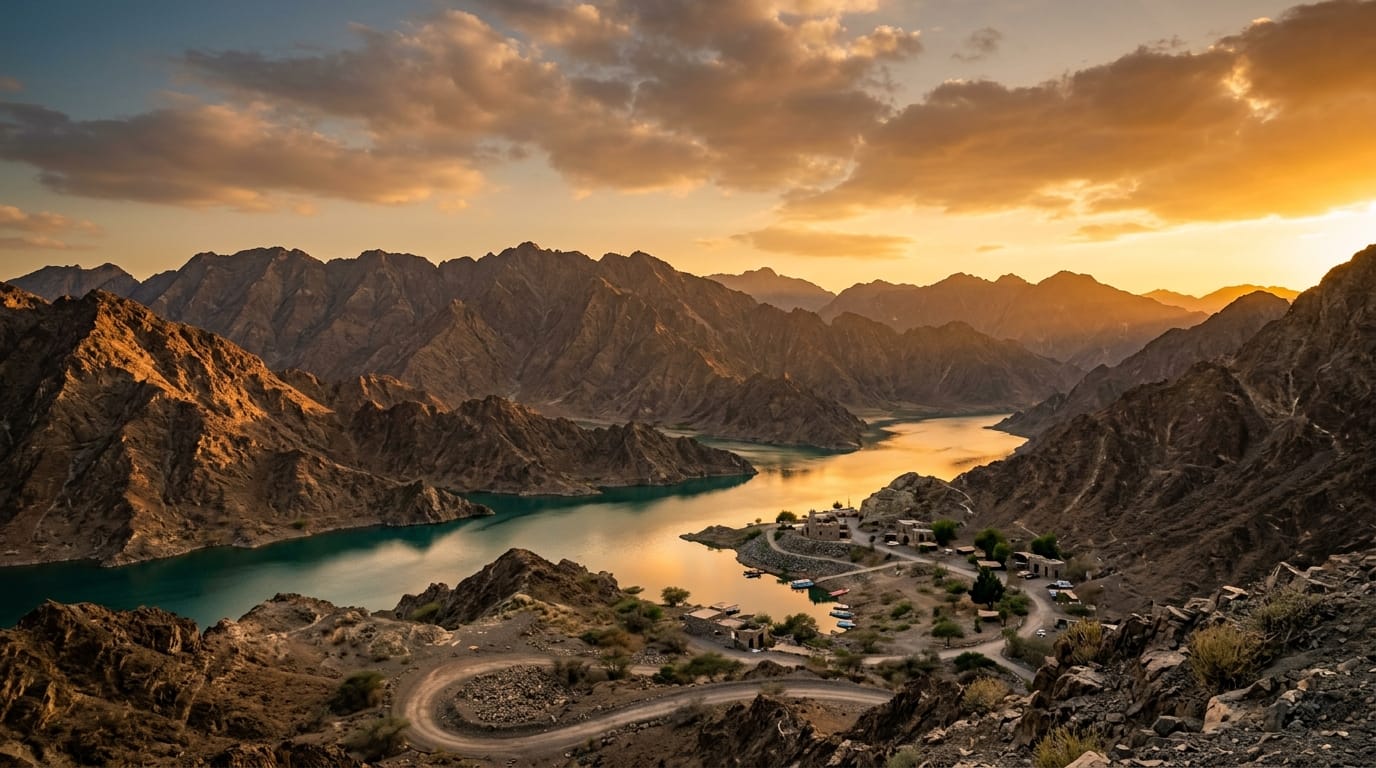
One final point: mobile connectivity. While the main tourist spots have signal, many of the wadis and remote trails do not. Download offline maps and share your location with a friend or family member. A portable power bank for your phone is a small item that can make a big difference. By checking these points in advance, you set yourself up for a smooth and memorable visit to the Hatta Mountain region. The landscape is stunning, the air is clean, and the change of pace is exactly what many people need. A little preparation goes a long way toward ensuring that your trip is enjoyable from start to finish.